







- 6-12 colds a year is normal for young children - especially when starting nursery or school
- Lifestyle basics support immune health - hand hygiene, adequate sleep, and covering coughs matter
- Diet plays a key role - fibre-rich foods support gut microbiome and developing immunity
If you're a parent, you'll know the feeling: your child has barely recovered from one cold before the next one arrives. The endless cycle of sniffles, coughs, and sleepless nights can leave you wondering whether something is wrong. But how much illness is actually normal for young children? We asked Dr Elisabeth Nordvall to answer your most pressing questions about childhood immune health - and what you can do to support it.
How often is it normal for children to catch colds?
It varies. But for toddlers and preschool children, it's not uncommon for them to catch as many as 12 colds a year, with symptoms lasting up to 14 days - coughs can persist even longer. If your child gets 6-8 viral infections per year, they probably have a typical immune system.
But why do they catch so many illnesses in succession?
It's very common for children to fall ill with multiple viral infections shortly after starting nursery or school, as they're exposed to many different bacteria simultaneously. When a child's immune system is fighting one illness, it can also be more susceptible to picking up another circulating virus.
What is NOT normal?
If you're concerned, we always recommend visiting your health or care practitioner and asking for support, but generally speaking, a doctor may consider further investigations if an infection doesn't clear after prolonged antibiotic use, if a child frequently takes antibiotics, has recurrent ear, sinus, or lung infections, or persistent fungal infections after 1 year of age. Even if this leads to further investigation, it doesn't necessarily mean there's a broader immune problem.
Which lifestyle factors affect my child's immune health?
Encouraging your children to cover their mouths when sneezing and coughing, practising proper hand hygiene, and getting enough sleep can all support immune health.
Does diet affect a child's immune health?
Young children starting nursery and preschool will inevitably catch viruses - it's a normal, necessary, and safe process. A varied and balanced diet that includes fibre from vegetables, fruit, and wholegrain products, and avoids too many ultra-processed foods, can support their gut microbiome and therefore their developing immune system.
Why KÄLLA FOR IMMUNE HEALTH?
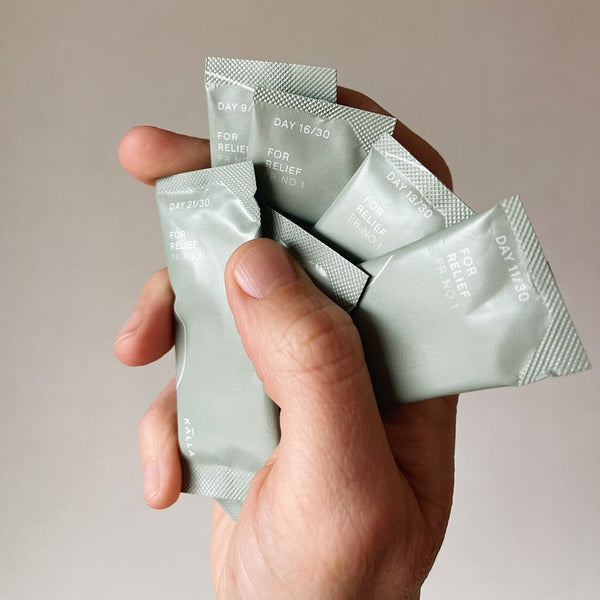
KÄLLA FOR IMMUNE HEALTH is a scientifically backed probiotic that has repeatedly been shown to reduce the frequency, severity, and duration of the common cold. Unlike many other probiotics, this one has been tested on preschool children through clinical trials with positive results.