
- The menopause is a natural transition with falling oestrogen
- Symptoms are highly individual
- Lifestyle changes can significantly help
What is the menopause?
The menopause is the natural transition period during which a woman moves from being biologically fertile - having a menstrual cycle - to no longer having one.
During this transition, the ovaries' production of oestrogen and progesterone decreases and hormone levels drop.
Eventually, the transition results in periods stopping completely and the hormones connected to the cycle settling at a permanently and stably low level.
If menopause is natural - why am I so affected?
Because oestrogen and progesterone affect the entire body and not just the menstrual cycle, the menopause brings significant changes to the body's hormonal balance.
However, menopausal symptoms are highly individual, and research shows that genetics, diet, and lifestyle all play a role.
In other words...
Many troublesome symptoms can improve significantly or disappear entirely with lifestyle changes.
To find what works for you, you'll usually need to experiment.
SIGNS THAT THE MENOPAUSE HAS STARTED
A clear sign is often that periods become irregular.
Periods may initially come more frequently, then become less frequent with months in between. Bleeding can also become heavier and last longer.
But did you know:
55% of all women experience hot flushes before they notice any changes in their menstrual cycle?
So changes to the menstrual cycle and hot flushes - that sounds fairly easy to recognise when the menopause has started?
Unfortunately, it's not always that simple.
Early menopause - Perimenopause
Long before the most common signs appear, many notice subtle changes that can take time to identify.
In the early phase, you may experience:
- Mood swings
- Worsened PMS
- Irritability
- Fatigue
- Low mood
When does the menopause begin?
When the menopause begins is individual. Most women start noticing symptoms from around their mid-forties.
However, some may experience mild symptoms from as early as their mid-thirties.
The average age for noticing clear symptoms is 47.5 years. The average age for the menopause itself - having your last period - is 51 years.
How long does the menopause last?
The menopause occurs both before and after periods stop completely.
The cessation of periods is called the menopause. The menopause is typically characterised by not having had a period for over 6 months (without another cause), but is usually only confirmed after 12 months.
The menopause often peaks around the late transition but frequently continues for some time after the last period until your hormones have stabilised at a permanently low level.
A natural phase in midlife
It's common for the menopause to be described solely in terms of deficiencies and symptoms, but it is fundamentally a natural and healthy process.
At the same time, symptoms can be incredibly challenging and it may require a lot to find balance.
So how can one approach this time?
The menopause opens doors
For many, the menopause means having to prioritise recovery, health, and wellbeing in an entirely new way.
Many report that the changes they've been forced to make to feel well ultimately feel like a great gift.
So even if it feels tough right now - can you allow the menopause to be an invitation to a new and closer relationship with yourself, your body, and the world around you?
Common menopause symptoms, and what you can do to relieve them
Below we list common symptoms and what you can do to feel as well as possible.
NB - To confirm the cause of your symptoms, it's advisable to consult a doctor.
Changes to the menstrual cycle
Changes to the menstrual cycle are a natural part of the menopause and something most experience.
Initially, periods may come more frequently, then less frequently, with months between them. You may also notice heavier and longer bleeding or spotting between periods.
It's often during breaks that symptoms such as hot flushes and night sweats emerge. (And when symptoms cease, you can often predict that a period is coming.)
Hot flushes
Hot flushes are one of the most common symptoms, experienced by approximately 85%. However, their intensity and frequency can vary greatly.
The cause of hot flushes is thought to be that oestrogen affects our internal thermostat, which becomes unbalanced when hormones fluctuate.
What does a hot flush feel like?
A hot flush often begins in the upper chest and spreads out into the arms and up to the neck and face.
Some experience it with a pressing sensation or it feels like a fever wave with feelings of weakness, elevated pulse, or palpitations. You may also feel anxiety and distress.
Often the flush lasts between 30 seconds and up to 4 minutes, but in rarer cases it can last longer, up to an hour.
Heavy sweating
Hot flushes are often accompanied by sweating. In some cases, it can be so heavy that you need to change clothes or bedding.
It can sometimes feel very distressing when sweating occurs inconveniently, for example at work or in social situations.
Menopause night sweats
Night sweats are heavy sweating that occurs in connection with hot flushes that happen whilst you're sleeping.
Many find that sweating disrupts their night's sleep.
Relieving hot flushes
Hot flushes can often be relieved by lifestyle changes that help your body naturally regulate its balance.
Sweaty exercise
Regularly exercising in a form where you sweat a lot can help you gain control over sweating.
One reason for this is thought to be that the endorphins released during exercise can have a balancing effect on your internal thermostat.
Supplements
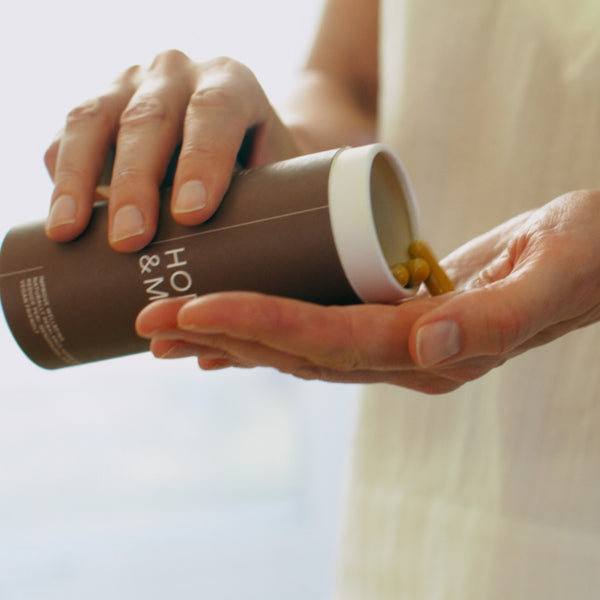
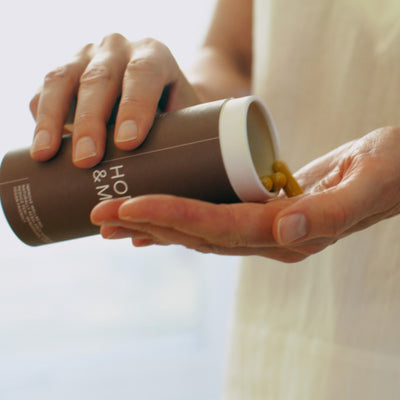
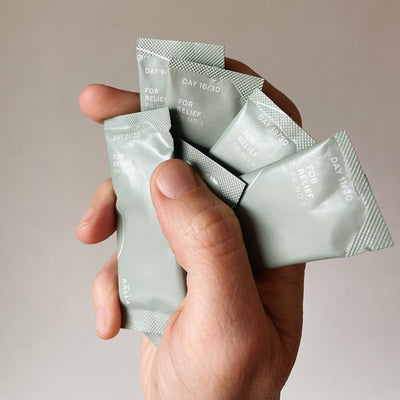
Ingredients such as turmeric and maca have been shown in studies to be effective for hot flushes. These are found in KÄLLA's HORMONES & ME supplement, which is specifically designed to support hormonal balance during the menopause.
Reduce stress
Many women find that stress exacerbates problems with hot flushes and sweating.
Acupuncture
Acupuncture is a traditional Chinese treatment that studies have shown can halve the number of hot flushes and sweats per day in up to 80% of those treated.
Other contributing factors
Smoking, a BMI over 27, and high intake of coffee, alcohol, and sugar are factors that can worsen hot flushes - review what you can do to improve your general health status.
Practical tips for hot flushes:
- Adapt your clothing by dressing in layers so you can add and remove items to avoid getting too warm during the day whilst feeling comfortable and cool as a baseline.
- Wear clothes made from natural materials and avoid synthetic materials such as polyester and nylon which don't breathe.
- Use a thinner summer duvet without synthetic fibres - for example, down or cotton filling.
- Keep a cooler room temperature at home and in the bedroom.
Hormone treatment
Hot flushes are one of the most common reasons for seeking medical care during the menopause, and hormone treatment may be appropriate for some. Hormone treatments are prescribed by doctors after careful consideration of the benefits and risks.
Sleep difficulties & fatigue
Sleep difficulties are common during the menopause. This can partly be an effect of hot flushes and night sweats, and partly because the hormones that regulate sleep become unbalanced due to changes in oestrogen levels.
Sleep difficulties not linked to night sweats can often improve with better sleep habits and monitoring the things that support sleep hormones and regulate the circadian rhythm.
Reducing anxiety and worry can also help. Diet and nutrition also play an important role.
Brain fog
Memory problems, learning difficulties, and not being able to "think clearly" can be tough symptoms to manage.
Often there's a connection to sleep difficulties, but research has also shown it can be directly linked to hormonal changes.
As with many other menopausal symptoms, nutrition and exercise play an important role. Similarly, it can help to reduce stress and get support in improving sleep.
Dry and fragile vaginal mucous membranes
Falling oestrogen levels mean that the vaginal lining becomes thinner and more fragile. It's also common to experience the mucous membrane becoming drier.
This can lead to problems such as irritated vaginal mucous membranes, itching, pain during penetrative sex, and dry mouth. It can also mean an increased risk of vaginal infections and thrush.
Other symptoms that may be experienced:
Because the menopause affects our entire body, there are many symptoms that can occur.
Some other common symptoms are:
- Reduced libido
- Joint and muscle pain
- Mood swings
- Increased susceptibility to urinary tract infections
Finding balance during menopause
Exercise
Sweaty exercise helps reduce hot flushes and sweating. The endorphins released during exercise are connected to the body's internal thermostat and heat regulation - which becomes unbalanced during the menopause when oestrogen fluctuates.
Sleep
Sleeping deeply and for long enough can positively affect several of the most common menopausal symptoms.
Try to sleep at regular times in a completely darkened room and avoid screens and artificial light in the evening. Also make sure to get plenty of daylight outdoors during the day.
It can also help to reduce stress, and cutting out caffeine also positively affects sleep.
Reduce stress & prioritise recovery
Prioritising your mental wellbeing and recovery supports your hormonal balance.
Review what you can do to reduce stress and set aside time to rest. Prioritise your own wellbeing and the things that make you feel good and help you relax.
Supplements
KÄLLA's vegan supplement HORMONES & ME is specially developed to support you in maintaining balance through the menopause.
It contains botanical ingredients, vitamins, and minerals that are clinically proven to help maintain a more stable hormonal balance, prevent inflammation, and relieve menopausal symptoms within just a few weeks.
Hormone therapy
Through healthcare, you may be offered hormone therapy during the menopause. Whether it's needed and appropriate for you depends on a range of factors that need to be discussed with a doctor.